So you’ve sat at home the night before a cosmetic procedure and thought, “Should I pop a painkiller to make this easier?” Well, you’re not alone. One of the most common questions I get in my Melbourne studio is: Can you take ibuprofen before lip blushing? As Olha Po, an experienced lip blush artist at Cosmetic Tattoo Studio Melbourne Face Figurati, I’ve worked with hundreds of clients over the years, and I know how much people worry about mild discomfort. But here’s the truth: what you take before your session can affect not just the comfort but also the safety, healing process and final healed lip colour.
Let’s get into what you should know before reaching for that ibuprofen — and why it might not be the best idea before a lip tattoo in Melbourne.
Contents
- 1 Why Painkillers Seem Tempting Before Treatment
- 2 The Impact of Painkillers on Cosmetic Tattooing
- 3 Safer Options for Comfort
- 4 Pre-Appointment Checklist
- 5 Healing Timeline and What to Expect
- 6 Risks of Ignoring Pre-Treatment Advice
- 7 Melbourne Lifestyle
- 8 Cost and Retouch Expectations
- 9 Final Thoughts: Comfort Without the Risks
- 10 FAQ
Why Painkillers Seem Tempting Before Treatment
It’s natural to want a little extra comfort going into something like cosmetic tattooing. After all, we’re talking about a tattooing process that uses a single needle to implant pigment into delicate skin. The idea of taking ibuprofen sounds smart: reduce pain, take the edge off and relax. But while ibuprofen works wonders for a headache, it can raise risks when it comes to lip tattoos. The reason? It affects your blood.
In Melbourne, I’ve seen clients arrive thinking they were “prepared” with over-the-counter medication, only to learn what they’ve taken may actually interfere with proper healing and pigment retention. So let’s break it down.
The Impact of Painkillers on Cosmetic Tattooing
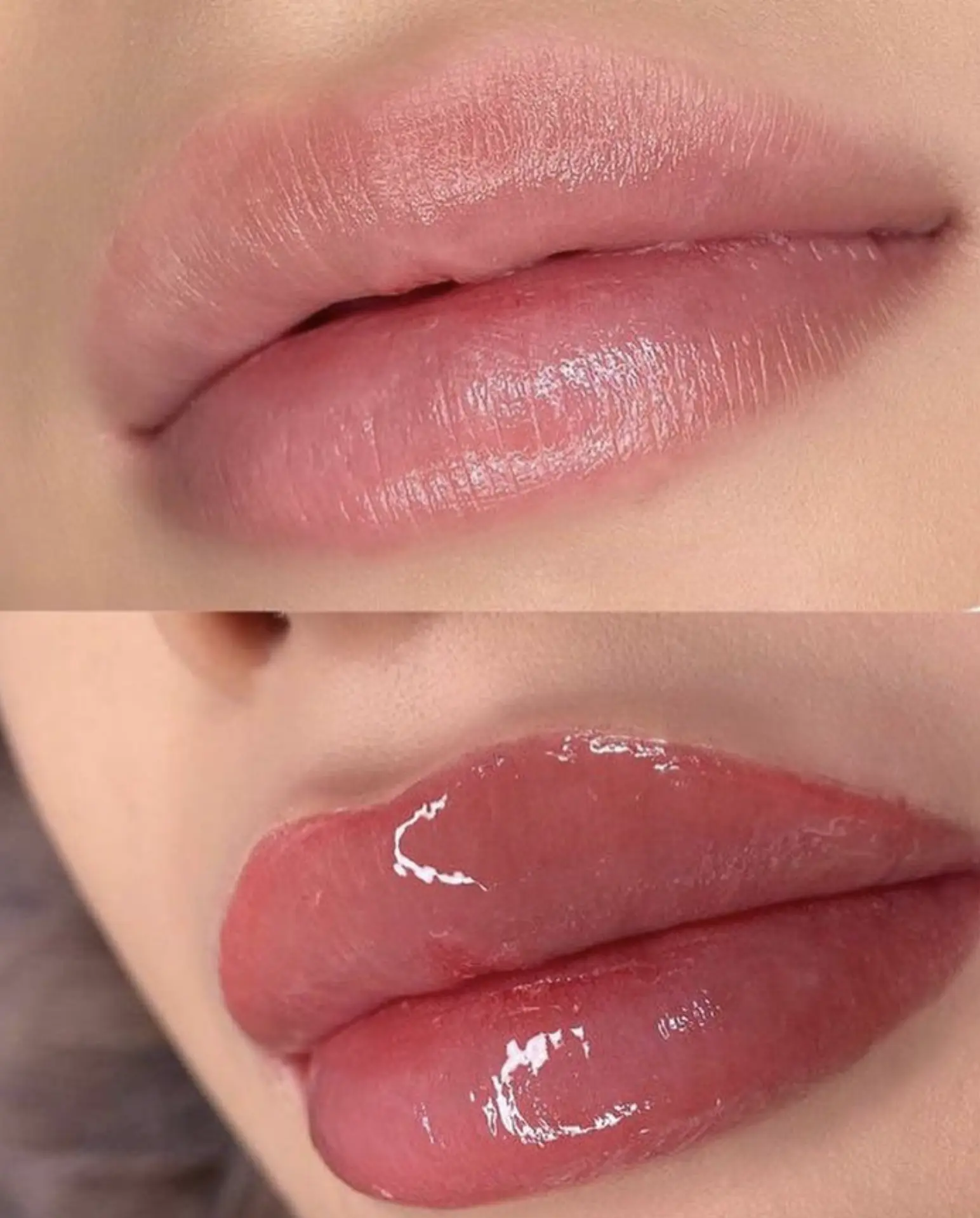
Ibuprofen is an NSAID (non-steroidal anti-inflammatory drug). These medications thin your blood by reducing clotting ability. Sounds harmless in daily life, but in the tattooing process, that means:
- Increased bleeding during treatment sessions — more blood dilutes pigment and prevents it from settling properly.
- Patchy colour intensity and retention — excess bleeding can push pigment back out, leading to uneven healed results.
- Extended healing period — more trauma for the skin equals slower, less predictable recovery.
- Greater risk of swelling and bruising — making it harder to enjoy your pop of colour.
- Higher risk of infection — because prolonged bleeding leaves the skin more exposed.
I’ve seen clients who took ibuprofen before a treatment and bled more and needed a retouch. That’s not only annoying for them but preventable.
Safer Options for Comfort
Here’s the good news: you don’t have to suffer through lip blushing. Pain management is part of my job, and there are safe ways to make the cosmetic tattooing experience more comfortable:
- Topical anaesthetic — applied before and during treatment, it numbs the area.
- Panadol (paracetamol) — unlike ibuprofen, Panadol doesn’t thin the blood and is generally safe to take before your appointment (unless your doctor advises otherwise).
- Professional techniques — at Cosmetic Tattoo Studio Melbourne Face Figurati, I use gentle machines and refined tattooing methods to minimise skin trauma.
Most of my clients are surprised at how comfortable the treatment is — some even nap during their lip blush procedure! So trust me, you won’t need ibuprofen to get through it.
Pre-Appointment Checklist
Preparation is key to great results. Here’s what I tell my Melbourne clients:
- Avoid ibuprofen, aspirin and fish oil supplements 24-48 hours before.
- Don’t drink alcohol, use tanning beds or caffeine on the day of your appointment (all thin the blood or increase sensitivity).
- Don’t book in for chemical peels, harsh skin treatments or lip fillers too close to your lip blush appointment.
- Stay hydrated — well-moisturised lips hold pigment better.
- Exfoliate with a sugar scrub a couple of days before (but not the night before).
- Apply a nourishing lip balm, coconut oil or your favourite lipstick in the lead up.
These simple tips create the perfect canvas for pigment implantation and proper healing.
Healing Timeline and What to Expect
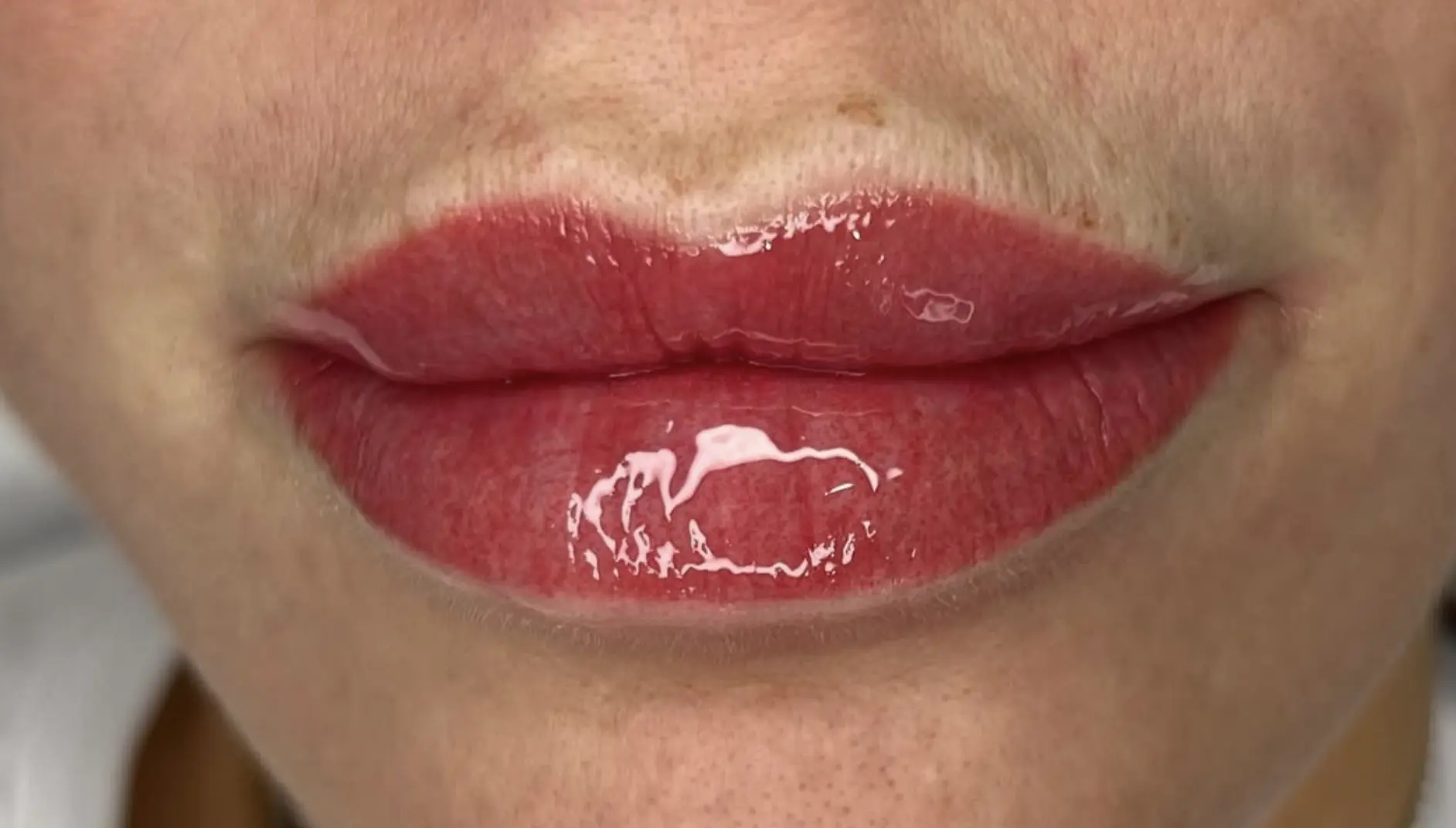
Healing is where the magic happens. Here’s what I share with my clients so they know what to expect:
| Day | What You’ll Notice | Tips |
|---|---|---|
| 1–2 | Lips feel swollen, colour looks brighter than natural lip colour | Follow aftercare instructions, apply aftercare balm |
| 3–4 | Flaking and peeling begin | Don’t pick — let skin shed naturally for proper aftercare |
| 5–7 | Colour may look faded | Normal stage — pigment resurfaces over time |
| 2–4 wks | Colour intensity evens out and settles | Book your retouch procedure if needed |
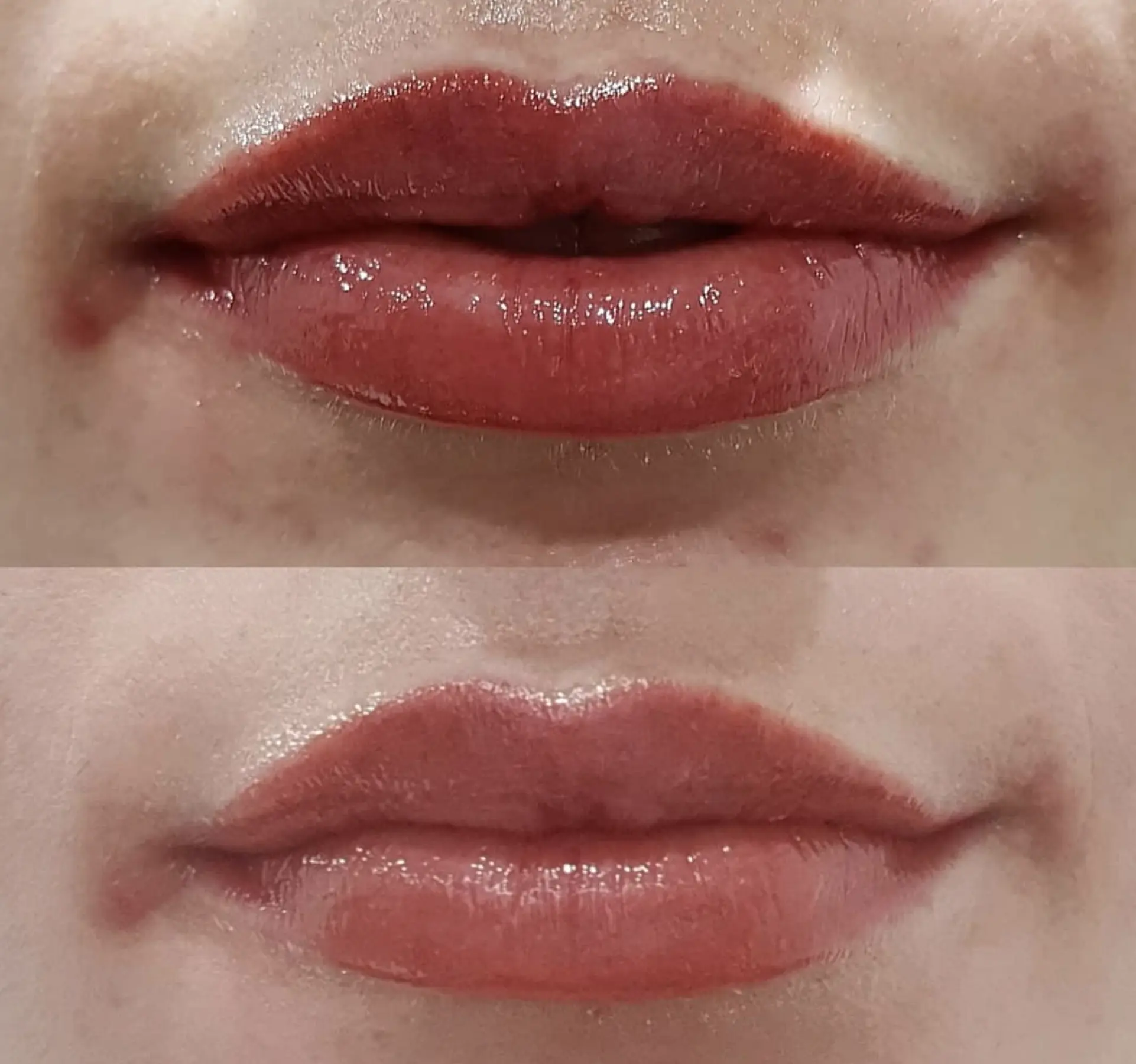
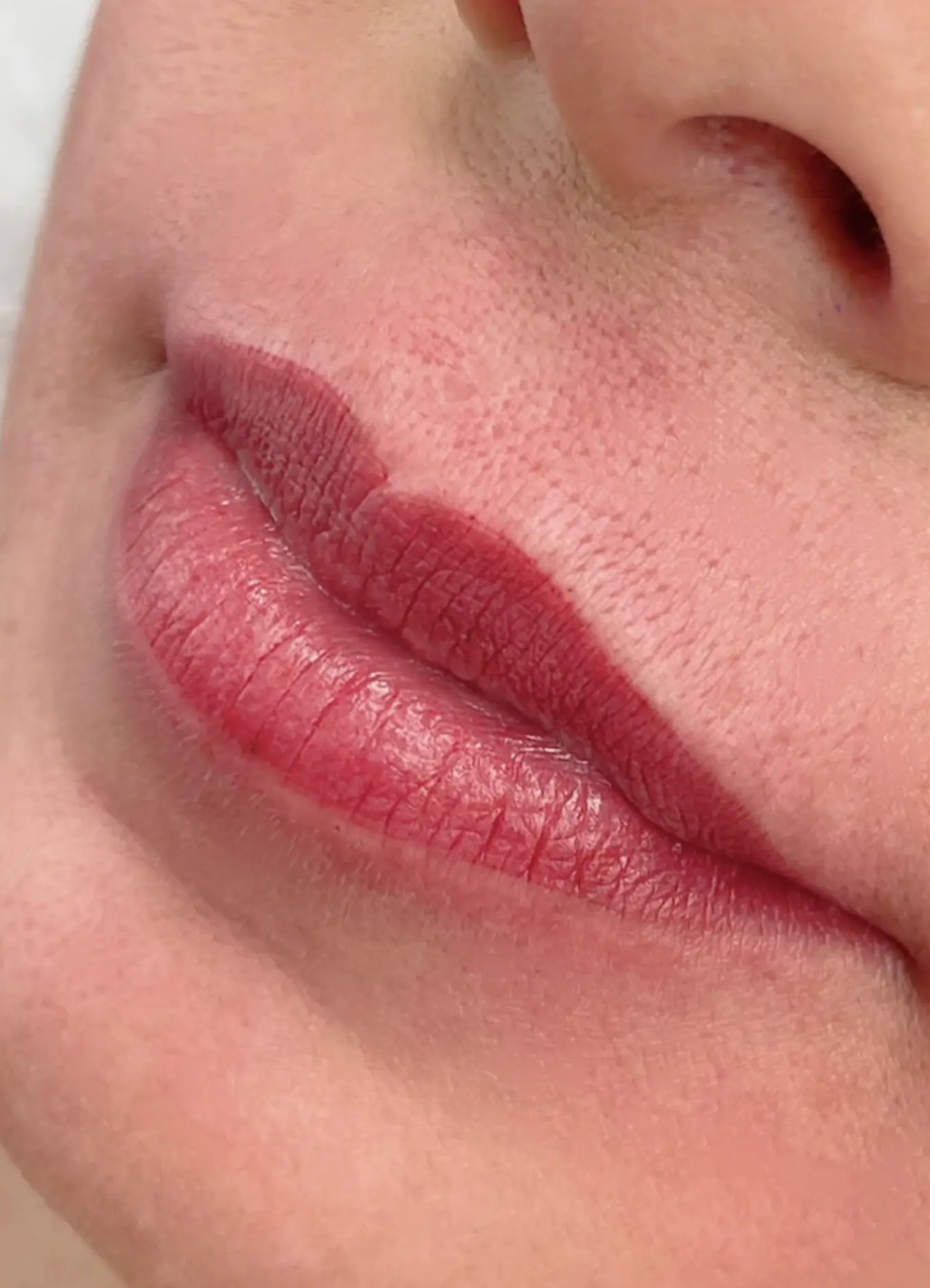
| 6–8 wks | Final healed result is visible | Enjoy your noticeable difference in lip colour |
Understanding this process prevents unnecessary stress and sets realistic expectations.
Risks of Ignoring Pre-Treatment Advice
I always stress this part because I’ve seen the difference myself. When clients ignore prep advice and take ibuprofen before lip blushing:
- They get more bruising and swelling.
- Their pigment retention is worse.
- Their risk of infection and allergic reactions is higher.
- They may have scarring if aftercare is ignored.
- They need extra retouch appointments, which means more time and money.
Cosmetic tattooing isn’t just about the treatment sessions; it’s about proper aftercare and prep that determines the final healed lip tattoos.
Melbourne Lifestyle
Living in Melbourne means dealing with dry winters and hot summers. These seasonal changes affect skin and healing:
- Winter — indoor heating dries lips, so extra hydration and lip balm are key.
- Summer — sun exposure fades pigment faster, so SPF lip products are a must.
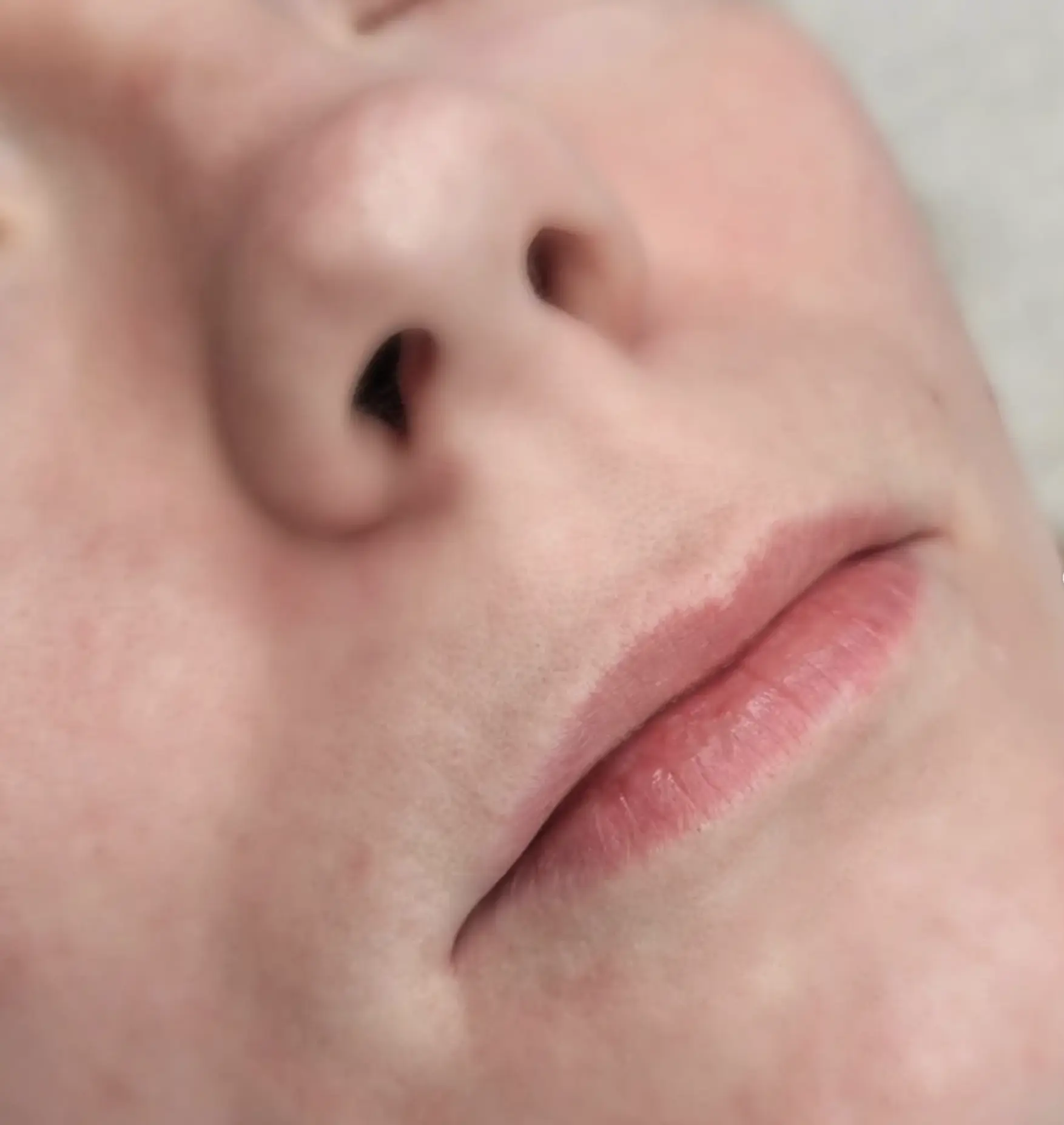
At Cosmetic Tattoo Studio Melbourne Face Figurati, I tailor aftercare instructions to the season, lifestyle and natural complexion because these factors play a big part in colour intensity. Many clients come to us looking for a lip tint treatment near me, and we always customise our approach so they leave with results that match their natural lip colour.
Cost and Retouch Expectations
Lip blush treatments in Melbourne range from $600 to $900, and retouch appointments are $200-$350. If pigment doesn’t hold because of ibuprofen or poor aftercare, you may end up paying for extra treatment sessions. It’s better to invest in proper prep and proper healing than to risk extra costs later.
If you want to become a professional yourself, we also offer cosmetic tattoo training and a cosmetic tattoo course at Face Figurati, so future artists can learn safe and effective techniques for lip tattoo work.
Final Thoughts: Comfort Without the Risks
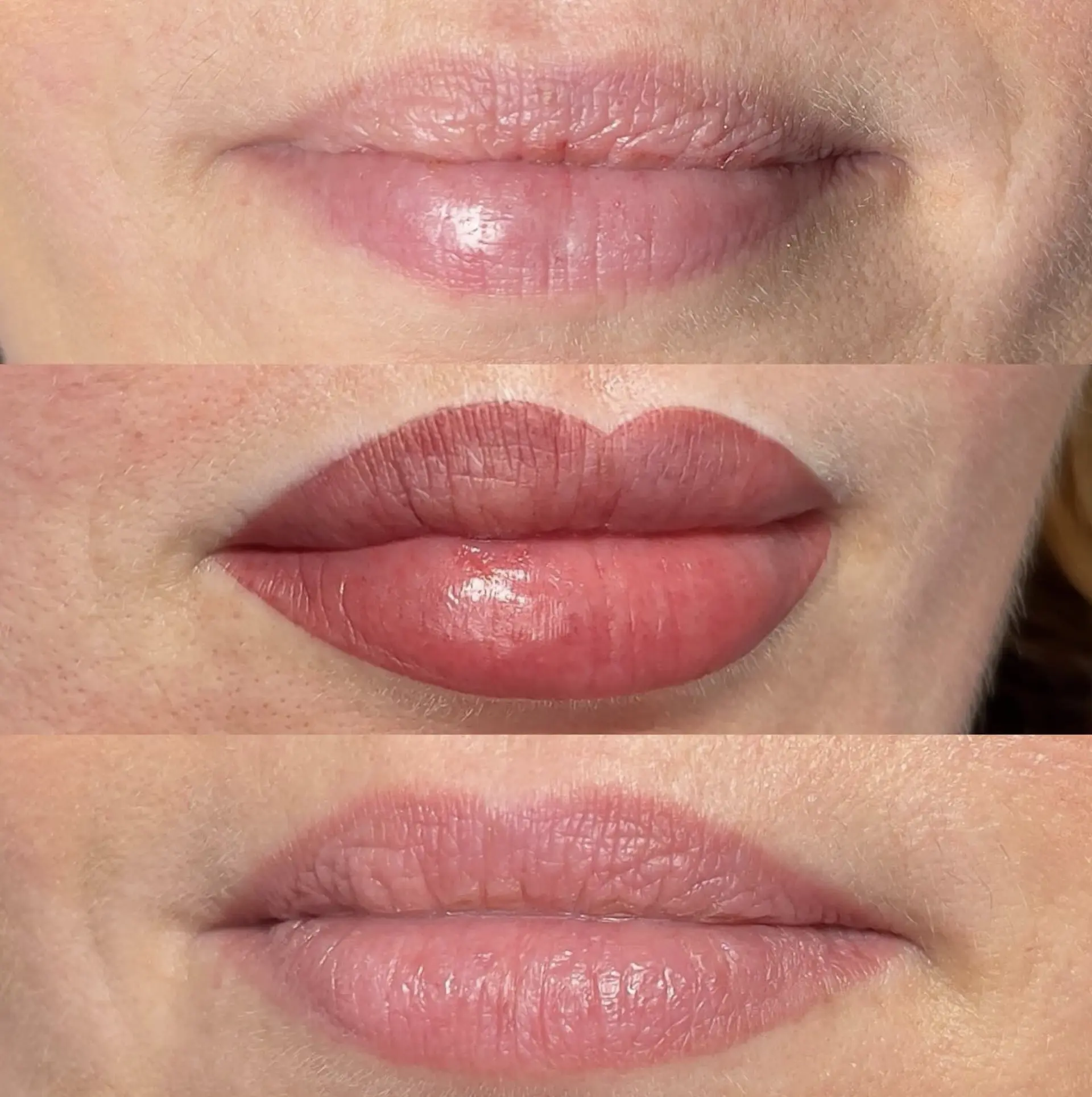
So, can you take ibuprofen before lip blushing? No — it creates more risks than relief. Instead, rely on paracetamol if needed, topical anaesthetics and an experienced lip blush artist to ensure minimal discomfort and maximum results. At Cosmetic Tattoo Studio Melbourne Face Figurati, my focus is on safe, natural lip colour that complements your natural complexion and heals beautifully.
Still curious? I always encourage clients to bring their questions — whether it’s about the type of tattooing technique, photos of colours, or how to maintain that bit of colour for birthday parties or daily wear. Lip tattoo should be exciting, not stressful.
FAQ
Can I take Panadol before lip blushing?
Yes, paracetamol (Panadol) is generally safe and doesn’t thin the blood like ibuprofen. Always check with your doctor if you’re on medication or have medical conditions.
Will lip blushing be very painful without ibuprofen?
Most clients report only mild discomfort. With numbing cream and proper aftercare, the tattooing process feels more like scratching than pain.
What if I accidentally took ibuprofen before my appointment?
Tell your tattoo artist right away. They may recommend rescheduling to avoid poor pigment retention, uneven healing or increased risk of infection.
How long before lip tattooing should I avoid ibuprofen?
At least 24-48 hours before your appointment, though longer is better if you regularly take NSAIDs.
Can lip blush trigger cold sores?
Yes, the procedure may trigger cold sores if you’re prone to them. I recommend preventative medication from your doctor before treatment to avoid outbreaks that interfere with proper healing.
{ “@context”: “https://schema.org”, “@type”: “FAQPage”, “mainEntity”: [ { “@type”: “Question”, “name”: “Can I take Panadol before lip blushing?”, “acceptedAnswer”: { “@type”: “Answer”, “text”: “Yes, paracetamol (Panadol) is generally safe and doesn’t thin the blood like ibuprofen. Always check with your doctor if you’re on medication or have medical conditions.” } }, { “@type”: “Question”, “name”: “Will lip blushing be very painful without ibuprofen?”, “acceptedAnswer”: { “@type”: “Answer”, “text”: “Most clients report only mild discomfort. With numbing cream and proper aftercare, the tattooing process feels more like scratching than pain.” } }, { “@type”: “Question”, “name”: “What if I accidentally took ibuprofen before my appointment?”, “acceptedAnswer”: { “@type”: “Answer”, “text”: “Tell your tattoo artist right away. They may recommend rescheduling to avoid poor pigment retention, uneven healing or increased risk of infection.” } }, { “@type”: “Question”, “name”: “How long before lip tattooing should I avoid ibuprofen?”, “acceptedAnswer”: { “@type”: “Answer”, “text”: “At least 24-48 hours before your appointment, though longer is better if you regularly take NSAIDs.” } }, { “@type”: “Question”, “name”: “Can lip blush trigger cold sores?”, “acceptedAnswer”: { “@type”: “Answer”, “text”: “Yes, the procedure may trigger cold sores if you’re prone to them. I recommend preventative medication from your doctor before treatment to avoid outbreaks that interfere with proper healing.” } } ] }